
More articles about: heart attack

Health Lab
Treating a rare coronary artery aneurysm without open heart surgery
Cardiologists at University of Michigan Health prevented the rupture of an aneurysm in a woman’s heart and used a minimally invasive solution to avoid open heart surgery.
Well-Being at Michigan Medicine
Purpose as a Foundation for Well-Being in Health Care
*Content warning: While well-being and purpose is the main topic, the following conversation does contain material related to the loss of a child and mental health that some might find distressing. Listener discretion is advised.
Dr. Vic Strecher of U-M Public Health joins host Dr. Elizabeth Harry to explore why purpose is a powerful driver of well-being, resilience and professional fulfillment. Strecher shares personal reflections, groundbreaking research and practical strategies—including the SPACE framework (sleep, presence, activity, creativity and eating)—to help clinicians and organizations reconnect with their “why.” From preventing burnout to managing energy and attention, this conversation highlights how aligning personal and organizational purpose can transform health care work and support lasting well-being.

Health Lab
AI model helps diagnose often undetected heart disease from simple EKG
Michigan Medicine doctors may soon be able to diagnose an elusive form of heart disease within seconds by using an artificial intelligence model.

Philanthropy News
Armstrong family fuels transplant hope and progress
The Armstrong family honors Bert’s legacy with a fellowship fund supporting future heart transplant doctors, advancing research and hope at U-M.

Health Lab
Nearly 1 in 6 older adults take aspirin despite no history of heart disease
Around 1 in 6 older adults take aspirin as their primary method of preventing cardiovascular disease, despite stricter guidelines. For some patients, the benefit of aspirin may not outweigh the risk of bleeding.

Health Lab
Researchers find significant differences in care of life threatening shock after heart attack
A study finds most hospitals don’t see many cardiogenic shock patients. When they do, providers often do not have a standardized way of treating them.

Health Lab
Why vaping is bad for your heart
A Michigan Medicine doctor discusses how e-cigarettes and vaping harm your health and cardiovascular system.

Health Lab
Women more likely than men to die after heart surgery complications
Despite having no greater chance of developing problems after high risk cardiovascular surgery, women are more likely than men to die from post-operative complications, a University of Michigan-led study suggests.

Health Lab
Older women more likely to receive heart surgery, die at low quality hospitals
Women over the age of 65 who require complex heart surgery are more likely than men to receive care at low quality hospitals — where they also die in greater numbers following the procedure, a Michigan Medicine study finds.

Health Lab
Two heart transplants, one message for organ donation
A patient who has received two heart transplants years apart shares his story and the importance of advocating for organ donation.
Health Lab
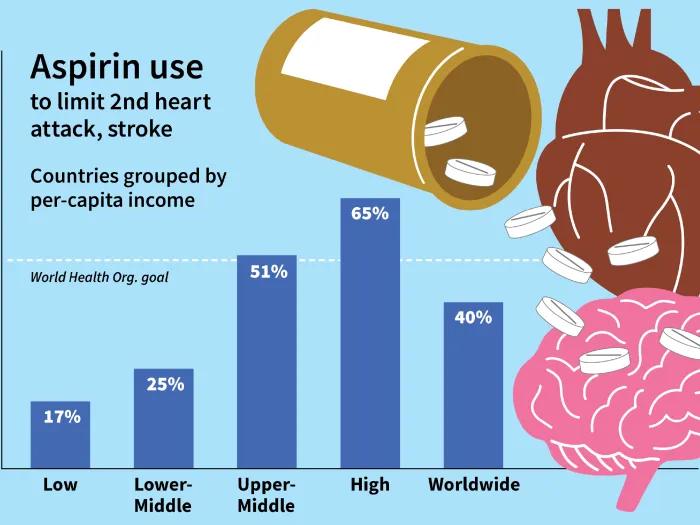
Aspirin can prevent a second heart attack or stroke, but many don’t use it
Washington University School of Medicine and Michigan Medicine researchers found that fewer than half of people who have experienced a heart attack or stroke use aspirin to prevent a second one.

Health Lab Podcast
A smart watch that could help your heart
The device would be the first clinical-grade, diagnostic wrist-worn device for long term Afib monitoring. Visit Health Lab to read the full story.

Health Lab
Beating the odds against chronic total occlusion
Learn about the latest advances in treatment for chronic total occlusion, a life-threatening condition that deprives the heart of oxygen. A team of cardiovascular surgeons perform advanced, minimally invasive surgery to help David Schneider get his life back on track.

Health Lab
When chest pain isn’t a heart attack
For chest pain, a cardiologist from University of Michigan Health discusses other potential causes of the symptom.

Health Lab
No advantage to Medicare Advantage seen in heart attack survival
The gap in this key outcome for traditional and private-insurer Medicare participants has narrowed in recent years, though differences remain in care during and after hospitalization.
